The Air Force Physical Training (PT) Score, a 100‑point metric that blends run time, push‑up and sit‑up performance, and waist circumference, has become a tangible barometer of a airman's readiness and a lever for career growth. Understanding how the score is calculated and how it influences assignments, promotions, and waiver eligibility lets service members turn a routine fitness test into a strategic asset.
Why the PT Score matters beyond the gym
Every Airman completes the PT test twice a year. The resulting score is entered into the Air Force Personnel System and appears on the official service record. High scores can:
- Boost promotion boards by adding a quantifiable fitness edge to the Airman’s Evaluation Report.
- Open specialty doors such as pararescue, special tactics, and combat controller slots, which require a minimum PT threshold.
- Facilitate medical waivers for deployments or duty‑station changes when the score exceeds the required baseline.
- Impact retention incentives like reenlistment bonuses tied to fitness performance.
Breaking down the components
The score is a weighted composite:
- 1‑mile run – up to 30 points, with faster times earning more.
- Push‑ups – up to 30 points, counted in a 2‑minute window.
- Sit‑ups – up to 30 points, also measured over 2 minutes.
- Waist circumference – up to 10 points, rewarding a leaner profile.
Each branch of the Air Force publishes age‑and‑gender tables that translate raw numbers into point values. For example, a 25‑year‑old male who runs 7:00 minutes for a mile earns 28 points, while the same time for a 40‑year‑old female yields 22 points.
Practical ways to leverage your score
Track progress with a personal spreadsheet
Log every test result alongside the corresponding table values. Seeing a climb from 68 to 84 points over six months makes it easier to set incremental targets—like shaving five seconds off the run or adding three more push‑ups each session.
Use the score as a career negotiation tool
When applying for a coveted assignment, attach a copy of your latest PT report. A 92‑point record can tip the scales in a crowded selection board, especially for roles that emphasize physical endurance.
Integrate score goals into unit fitness programs
Many squadrons now run “Score‑Boost” challenges where teams compete for the highest average PT score. Participating not only improves individual numbers but also showcases teamwork—a trait valued by senior leaders.
Plan for potential waivers early
If a deployment requires a minimum 85‑point score, aim for at least 90 to provide a safety margin. This foresight avoids last‑minute scramble and strengthens the case for a medical or occupational waiver.
Recommendations for sustained improvement
To turn the PT Score into a lasting advantage, adopt a three‑phase approach:
- Assessment – Review your most recent score breakdown. Identify the weakest component (often the run) and set a realistic target increase.
- Training – Schedule three dedicated sessions per week: one interval run, one strength circuit for push‑ups and sit‑ups, and one mobility/waist‑reduction routine (e.g., core work, diet tweaks).
- Evaluation – Re‑test after an eight‑week cycle. Adjust goals based on the new point distribution and repeat.
Airmen who treat the PT Score as a quarterly performance metric, rather than a one‑off test, consistently outpace peers in both fitness and career milestones. By embedding the score into daily planning, the physical test becomes a strategic lever rather than a routine hurdle.
How To Use No Caching Tool In Charles Proxy
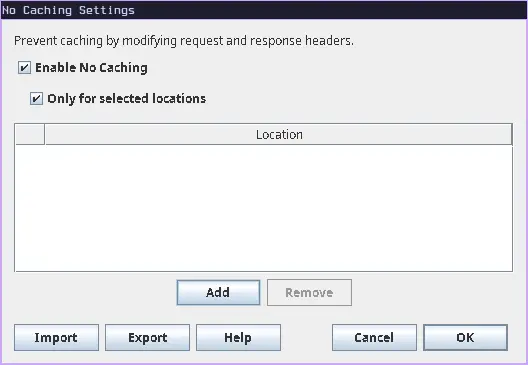
How to use No Caching tool in Charles proxy
How To Use Cache-Control: A Guide To HTTP Cache Headers
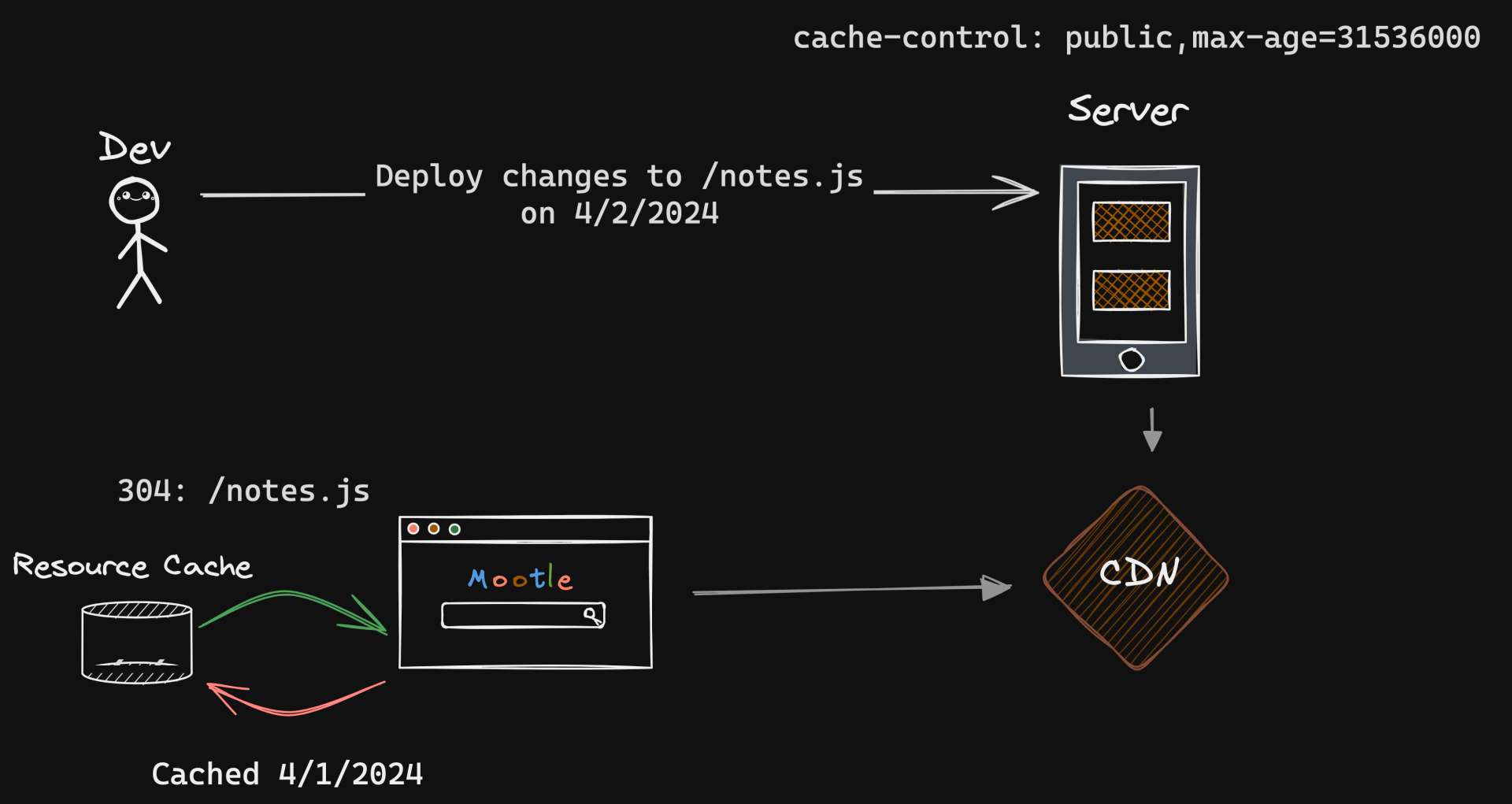
How to use Cache-Control: A Guide to HTTP Cache Headers
How To Use No Caching Tool In Charles Proxy
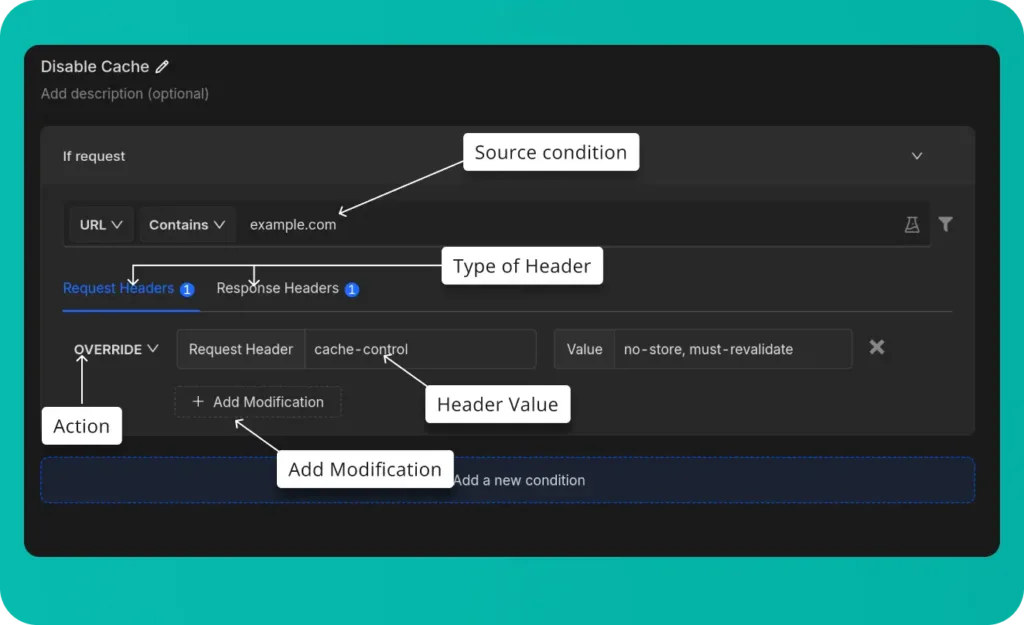
How to use No Caching tool in Charles proxy