When a driver spots a sudden step down on the pavement, the instinctive reaction is to brake hard—especially if the phrase “jackie chan crime story 2” is echoing in the back of your mind like a high‑speed chase. In reality, that “step down” is a dropped kerb, a common roadside feature in the United Kingdom designed to protect cyclists and pedestrians while guiding traffic. Understanding its dimensions, legal obligations, and safe‑passing techniques can turn a potential hazard into a routine part of everyday driving.
Why Dropped Kerbs Exist
Local councils install dropped kerbs to create a gentle slope from the roadway onto the footway. This serves three main purposes:
- Pedestrian safety: A lower edge reduces the risk of trips and falls, especially for people with mobility aids.
- Cyclist access: Cyclists can cross without having to dismount or risk a sharp impact.
- Vehicle guidance: The visual cue signals drivers to keep a safe distance from the curb, protecting both the vehicle and the road surface.
Typical Dimensions and Legal Standards
The most frequently encountered size for a dropped kerb in England and Wales is a 75 mm drop with a run‑out length of about 300 mm. The gradient should not exceed 1:10, ensuring a smooth transition for wheel‑based traffic.

These measurements are set out in the Design Manual for Roads and Bridges (DMRB) Volume 4, Part 7. If a kerb is steeper or higher than the standard, it may be classified as a “hazardous drop” and must be signed accordingly.
How to Navigate a Dropped Kerb Safely
Even experienced drivers can be caught off‑guard. Follow these concise steps:
- Observe early: Look ahead for the distinctive white line or signage indicating a drop.
- Adjust speed: Reduce to a crawl or stop if the kerb is near a pedestrian crossing.
- Align wheels: Keep the tires straight and avoid sharp steering inputs that could cause wheel lift.
- Maintain distance: Give cyclists at least a 1.5‑meter buffer when passing.
Legal Implications If You Miss One
Should a driver strike a dropped kerb, the incident may be recorded as “damage to road infrastructure” on a police report, potentially leading to a Fixed Penalty Notice. Insurance claims often hinge on whether the driver exercised reasonable caution. Demonstrating awareness of the standard 75 mm drop can help substantiate a defense.
Local Resources and Professional Help
Many UK towns have specialist firms that maintain and replace dropped kerbs. One such provider, Active Drives, offers rapid installation services and can advise councils on compliance with DMRB standards.

Contacting a local contractor like Active Drives can ensure that any repair work meets the required gradient and height, keeping both motorists and vulnerable road users safe.
Bottom Line for Curious Beginners
While “jackie chan crime story 2” may evoke images of daring leaps and high‑octane chases, the everyday reality of a dropped kerb is far more mundane—and far more important for road safety. Knowing the typical 75 mm drop, respecting signage, and giving cyclists space transforms a potential surprise into a predictable part of the journey. With the right knowledge, drivers can keep their rides smooth, avoid penalties, and contribute to a safer streetscape for everyone.
Gallery - Mansfield Drop Kerbs And Vehicle Crossover Specialists
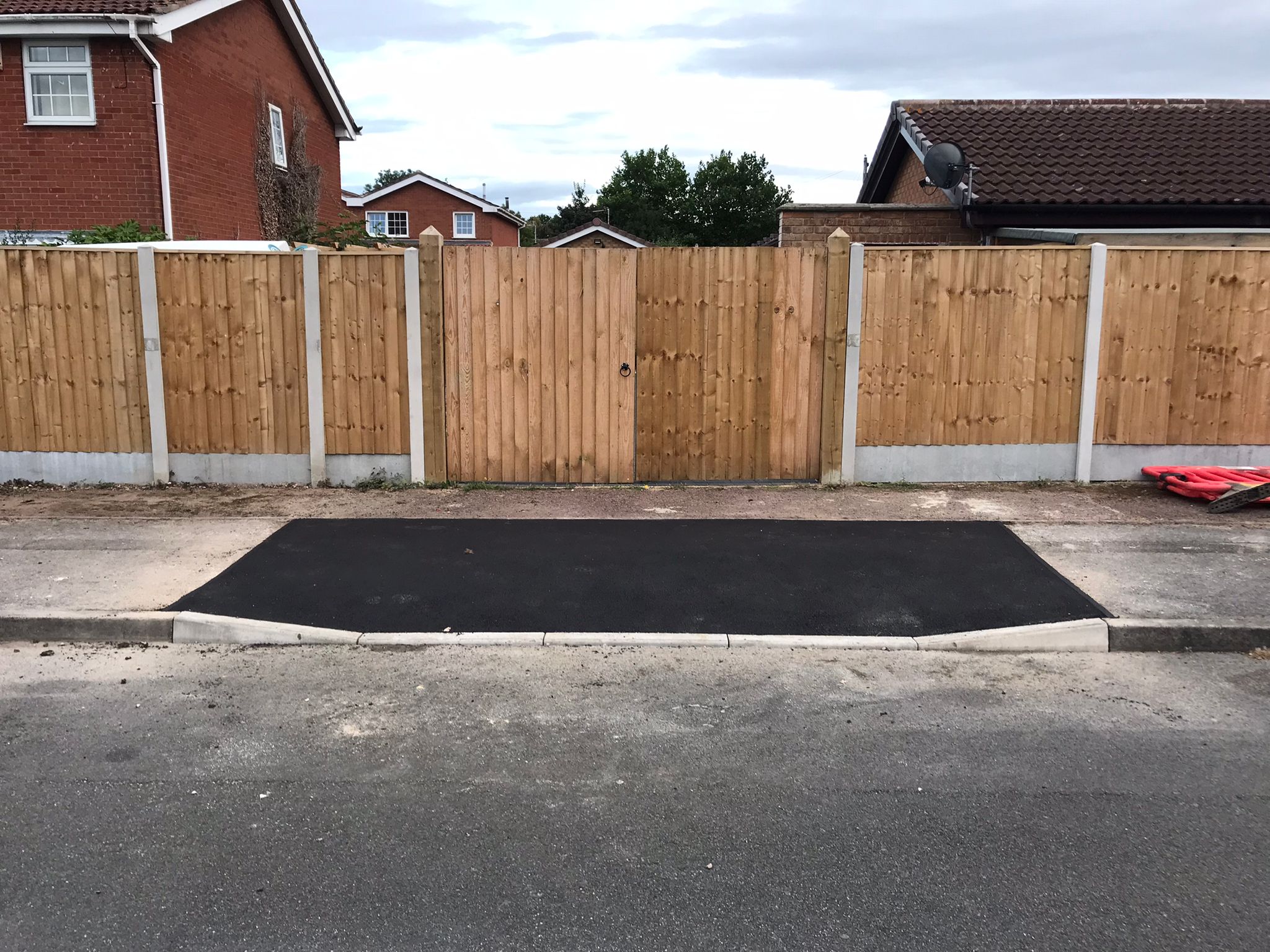
Gallery - Mansfield Drop Kerbs and Vehicle Crossover Specialists
Legislation On Equal Opportunities And Full Participation In
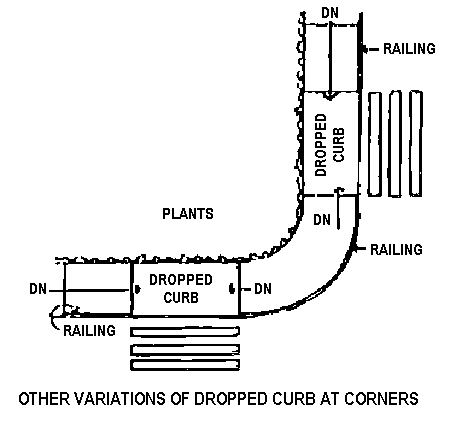
Legislation on Equal Opportunities and Full Participation in ...
Farwell's Groundworks | Earth Moving | Drainage | Sewage | Domestic

Farwell's Groundworks | Earth Moving | Drainage | Sewage | Domestic